


As global demand for fast, flexible, and cost-efficient building solutions continues to rise, modular housing has become one of the most important categories in the international construction market. For overseas buyers, project developers, camp operators, hospitality investors, and procurement teams, a reliable China modular house manufacturer can offer more than a competitive price. It can provide a complete solution across design, production, packaging, shipping, and installation.
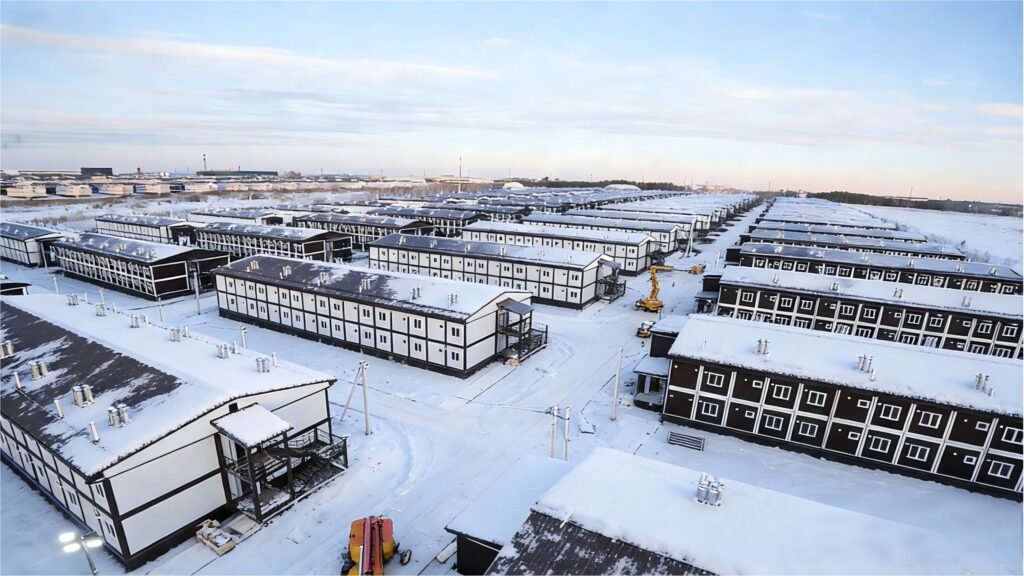
In 2026, modular housing is no longer seen as a temporary fallback. It is now widely used for worker camps, resort accommodation, emergency housing, pop-up retail, office spaces, tourism projects, and long-term residential applications. China has become one of the world’s most important supply bases in this sector because of its deep manufacturing ecosystem, strong engineering capacity, and mature export experience.
But choosing the right supplier is not just about finding the lowest quote. In a market full of factories, trading companies, and middlemen, the real challenge is identifying a verified modular house supplier that can actually deliver quality, consistency, and project support. This guide explains what modular housing is, why China is such a strong source market, what product types are available, how to verify a factory, and how to choose the right solution for your project.
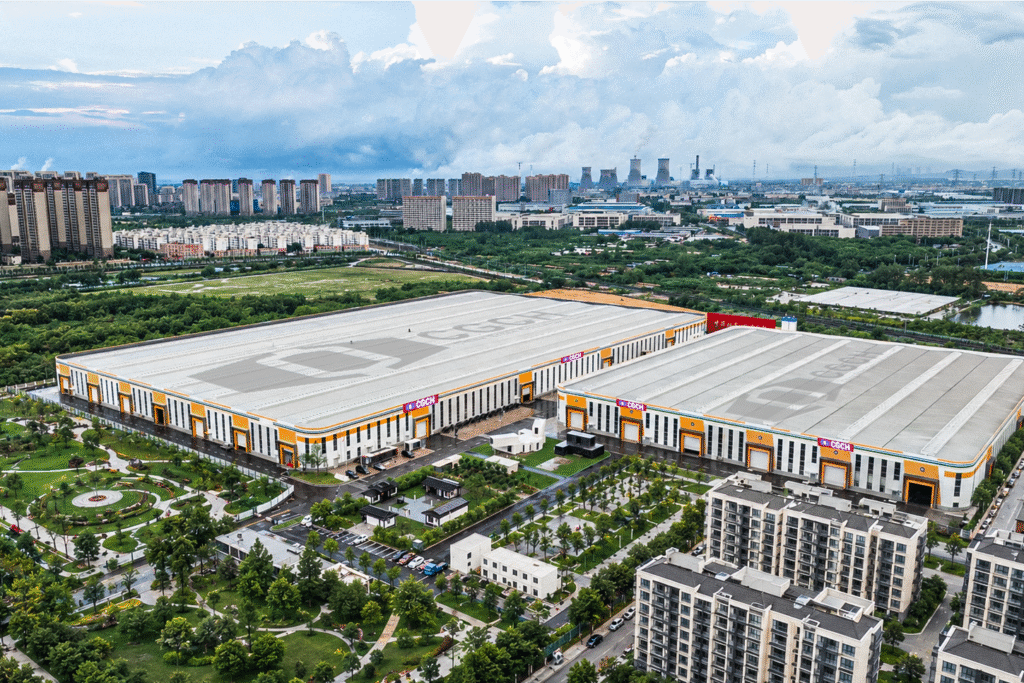
What Modular Housing Means
Modular housing refers to buildings that are prefabricated in a factory and then transported to the site for rapid assembly or installation. Compared with traditional on-site construction, modular building shifts much of the work into controlled factory production, which improves efficiency, quality consistency, and project predictability.
The term covers a wide range of products, including container houses, detachable container houses, flat pack container houses, expandable container houses, folding container houses, capsule houses, K houses, bubble houses, and portable sanitation units. Each format serves different purposes, but they all share the same core advantage: faster deployment with less site labor.
For many buyers, modular housing is attractive because it reduces construction time and makes budgeting easier. It also offers flexibility, since many of these systems can be relocated, expanded, stacked, or reused depending on the project needs. That makes modular structures especially useful for camps, tourism projects, temporary offices, exhibition areas, and remote work sites.
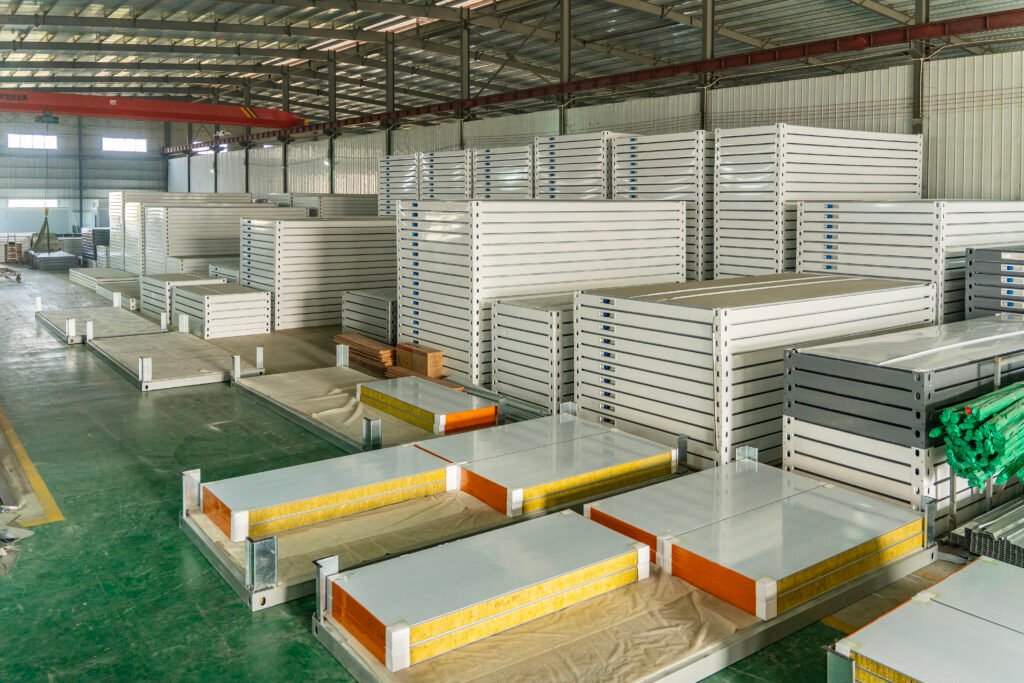
Why China Leads the Market
China has become a major hub for prefab modular buildings and container house manufacturing because it combines scale, supply chain depth, and export readiness. A strong modular housing product depends on more than steel frames and wall panels. It requires insulation materials, windows, doors, electrical systems, bathrooms, surface finishes, welding, coating, packaging, and logistics coordination. China has all of these supporting industries in place.
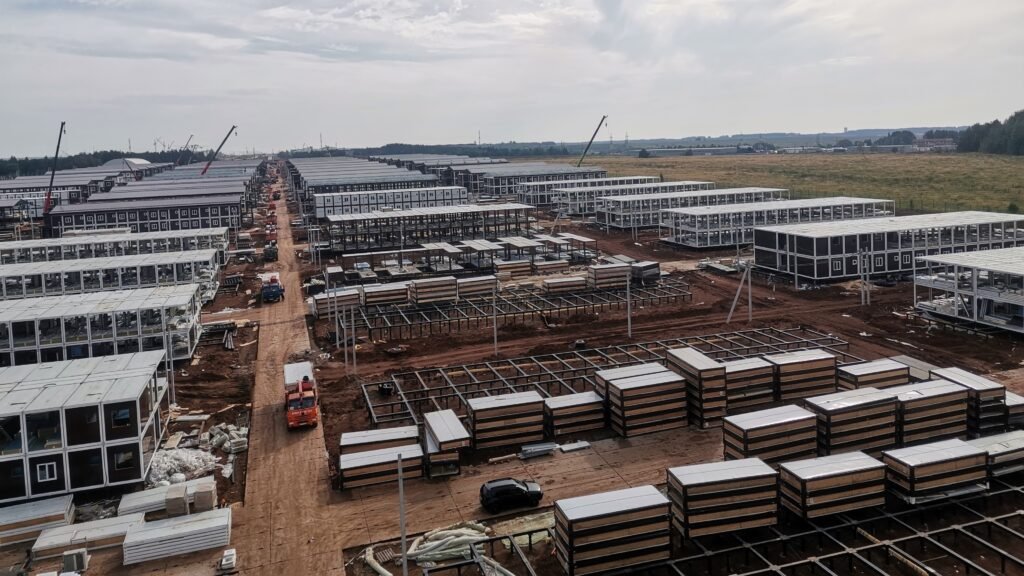
Another major reason is production efficiency. Chinese manufacturers are generally well positioned to deliver high-volume modular projects while still supporting customization. This is important because international buyers often need standard models with local adjustments, whether that means different wall thicknesses, climate-specific insulation, electrical standards, or special layout requirements.
Export experience is another key advantage. Modular houses are not like small consumer products. They involve large volumes, special loading methods, destination handling, and sometimes complex installation requirements. A supplier with real international project experience is much more likely to understand shipping constraints, documentation, and on-site coordination. That is why buyers should always look beyond marketing language and focus on actual manufacturing and delivery capability.
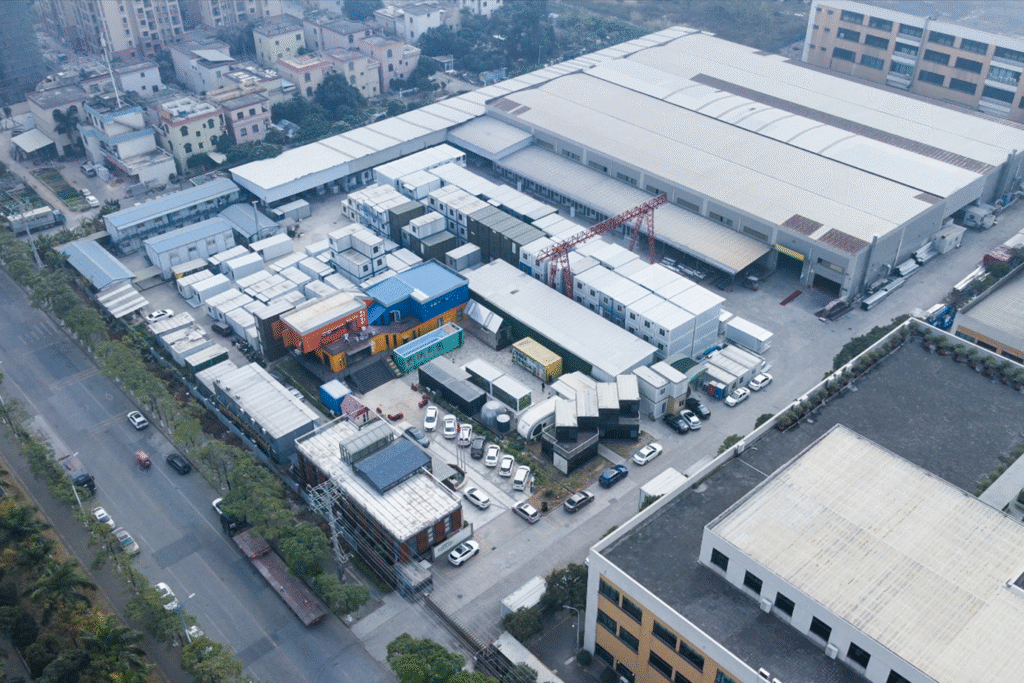
Why CGCH Stands Out
CGCH, or China Green Container House, positions itself as a global one-stop modular camp delivery expert. Based on its product catalogue, the company focuses on large projects, local installation, and flexible payment support, which makes it highly relevant for international procurement teams and project developers.
The company’s profile highlights a broad factory network, a large manufacturing base, extensive supply chains, and project experience across multiple countries. It also presents a wide product portfolio that includes detachable container houses, flat pack units, expandable units, folding houses, capsule houses, K houses, bubble houses, and portable toilets. This kind of product diversity is important because it allows one supplier to support a complete project instead of only selling one building type.
CGCH also emphasizes services such as design consultation, material selection, budgeting assistance, project management, and sustainability support. That matters because overseas buyers usually need more than just a quotation. They need a supplier who can help them make a commercially sound decision and then deliver it successfully.
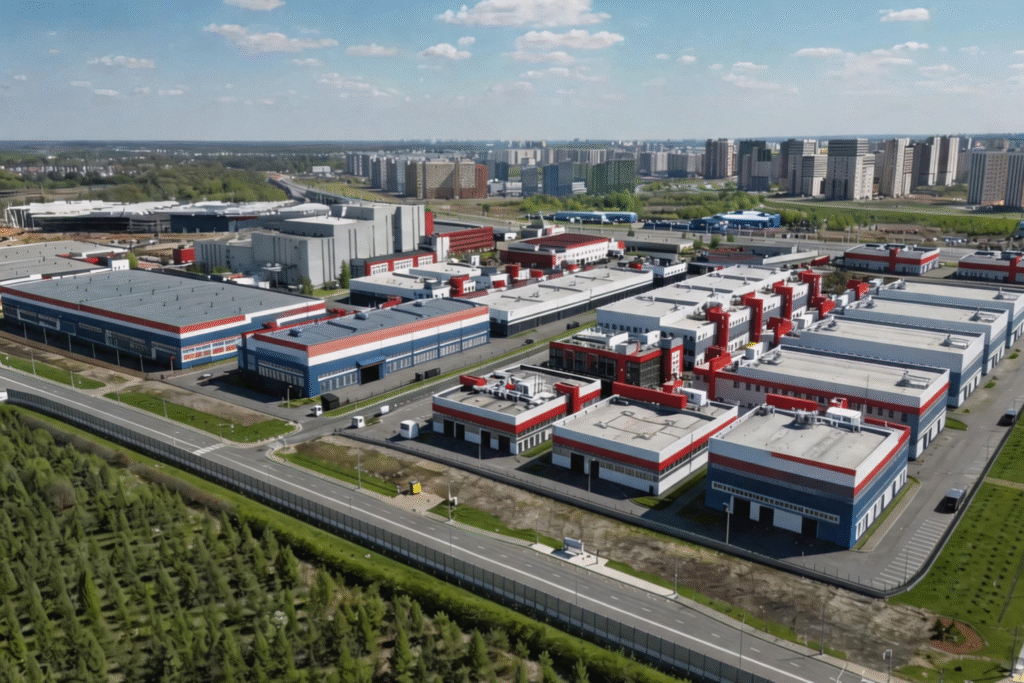
Key Product Categories
Understanding the product range is essential if you want to choose the right China container house supplier. Different project types call for different structures, and the best option is not always the most visually impressive one.
Detachable Container House
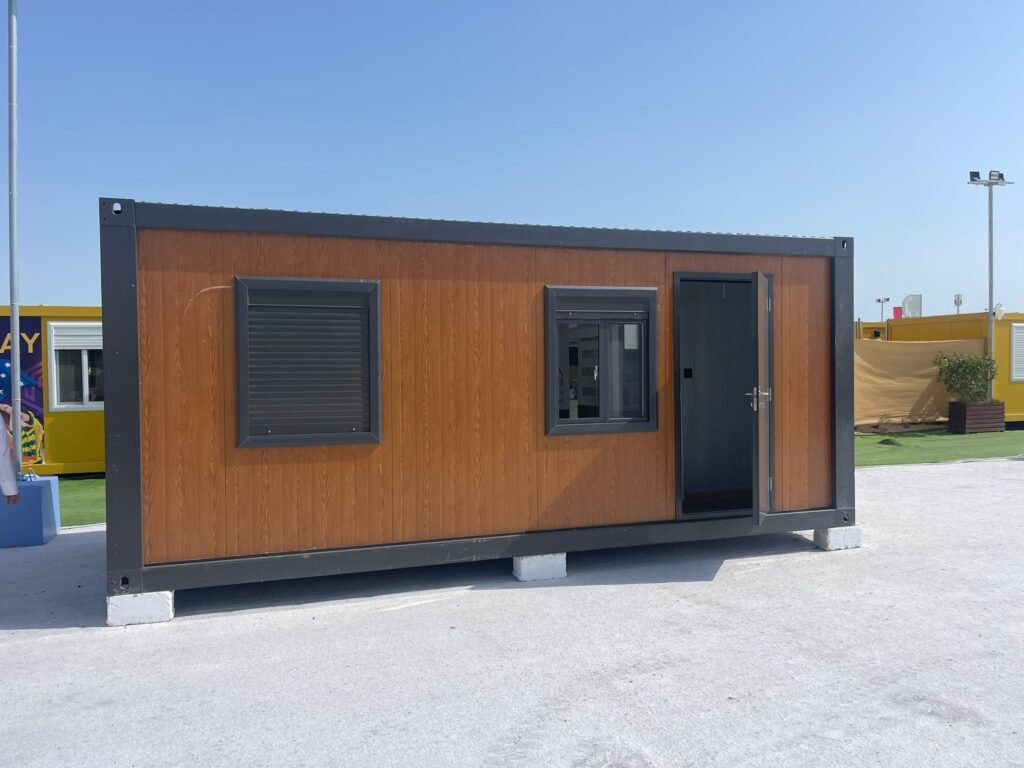
A detachable container house is designed for easy transport, assembly, and relocation. It is a practical option for projects that may move from one site to another or require repeated installation and removal. CGCH describes this model as an all-steel structure with good earthquake resistance, strong durability, and reliable waterproof performance.
This type of unit is commonly used for staff dormitories, guard booths, shops, and temporary project facilities. One of its main strengths is transport efficiency. Because it can be disassembled, it is easier to ship in bulk and cheaper to move across long distances. For buyers managing worker camps or temporary sites, this is often one of the most cost-effective solutions.
Flat Pack Container House
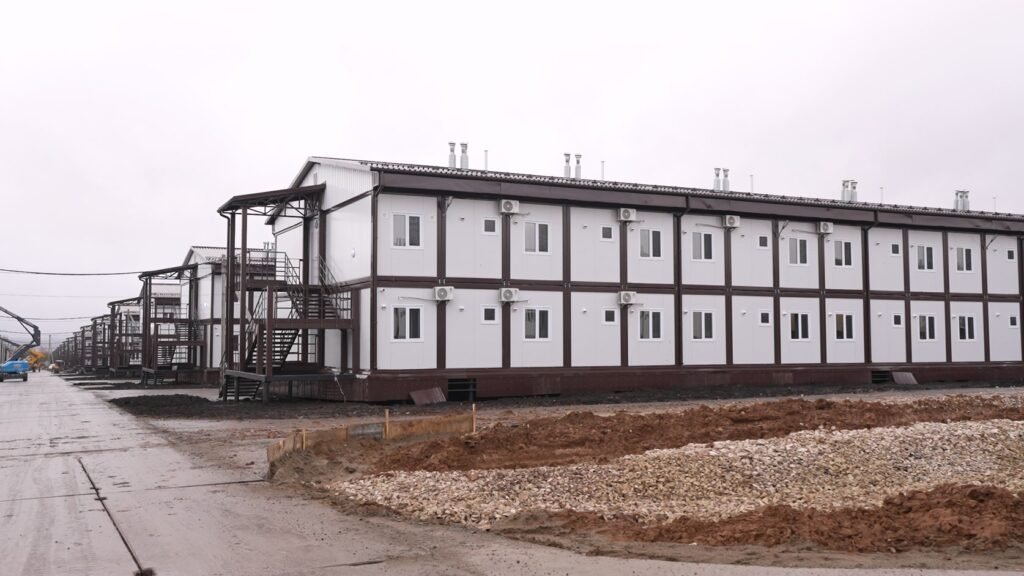
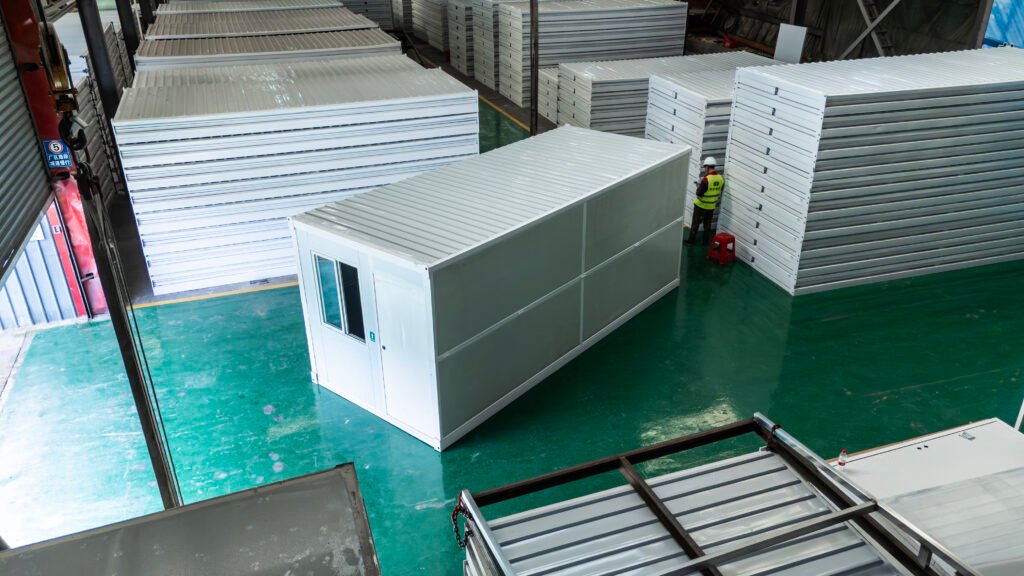
A flat pack container house is one of the most efficient formats for large-scale shipping and fast assembly. The components are designed to be packed compactly for transport, then assembled on site with minimal equipment. CGCH highlights this product as having strong welded structure, good insulation, premium appearance, and stackability for multi-story use.
This makes flat pack units especially suitable for office buildings, accommodation blocks, retail spaces, and large camp projects. In many cases, four workers can install a single unit in a relatively short time, which reduces labor cost and speeds up deployment. Buyers looking for a balance between transport efficiency and long-term usability often consider this one of the most practical modular housing options.
Expandable Container House
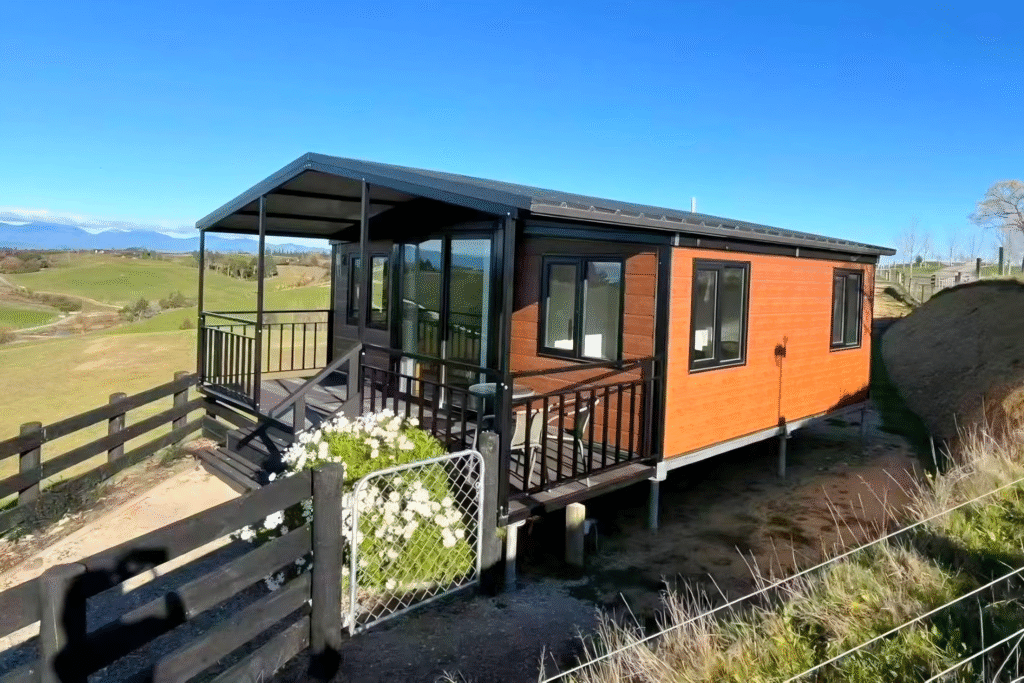
An expandable container house is designed to save shipping space while providing a much larger living area after unfolding. This format is especially attractive for residential use, Airbnb-style stays, showrooms, and commercial spaces. CGCH notes that these units can be transported compactly and expanded horizontally to create more usable interior space.
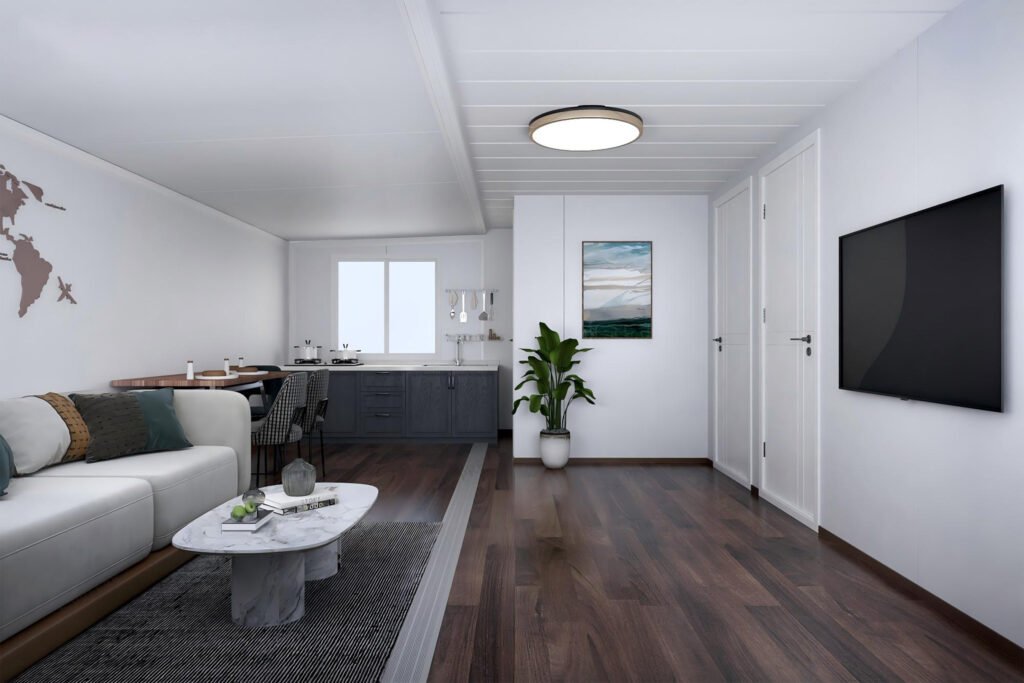
The biggest advantage here is that the product gives buyers a more house-like experience while still keeping the logistics benefits of modular construction. Many customers choose expandable units when they want a practical home layout with bedroom, living room, bathroom, and kitchen functions. For buyers targeting the residential or hospitality market, this category has very strong commercial appeal.
Z Folding Container House
The Z folding container house is built for rapid deployment and compact shipping. According to the catalogue, the folded height is only 45 cm, which helps reduce transport volume and lower shipping costs. This is particularly useful for projects that need to move quickly, such as temporary camps, construction site offices, exhibition areas, and emergency housing deployments.
The product is also positioned as easy to install and suitable for repeated folding and reinstallation. That makes it a strong choice for buyers who value portability and fast turnaround. In temporary or short-cycle projects, speed is often more important than architectural complexity, and that is exactly where this product type performs well.
X Folding Container House
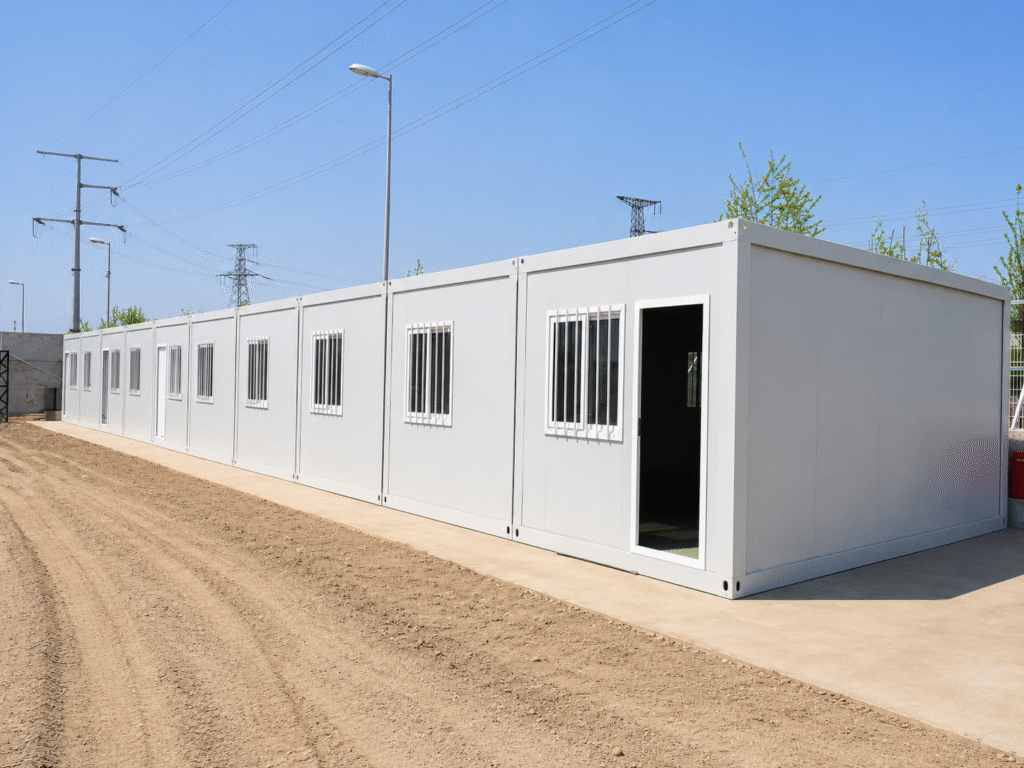
The X folding container house focuses on simple transport, efficient storage, and quick setup. It is a useful option for projects that require repeated movement or rapid field deployment. CGCH positions this model as a cost-efficient and eco-friendly solution, with advantages in installation speed, transport cost, and reusability.
This category is often used for temporary accommodation, site offices, and emergency response situations. For buyers who need a fast-deploying solution without the overhead of traditional construction, the X folding format can be a smart choice.
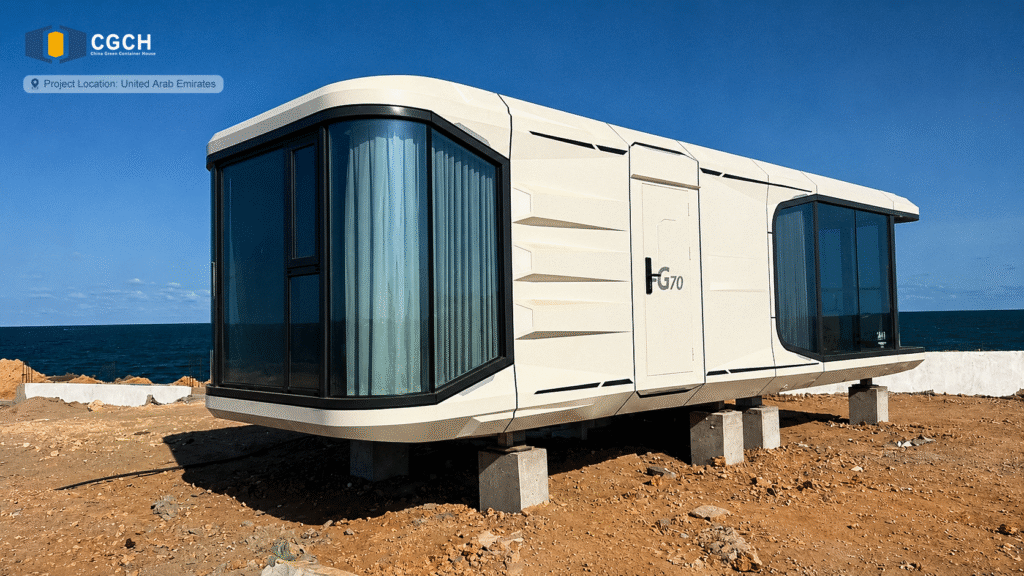
Capsule House
The capsule house is one of the most design-driven products in the CGCH range. It is meant for tourism, glamping, scenic areas, resort accommodation, and creative commercial applications. The company’s catalogue highlights compact but visually striking models with modern styling, high transparency, smart features, and plug-and-play operation.
This product type is ideal for buyers who care about guest experience and brand presentation. In hospitality, visual appeal can directly influence booking performance, social media exposure, and room rates. That is why capsule houses are increasingly popular in glamping resorts, holiday camps, and boutique stay projects. They are not just structures; they are experience products.
K House
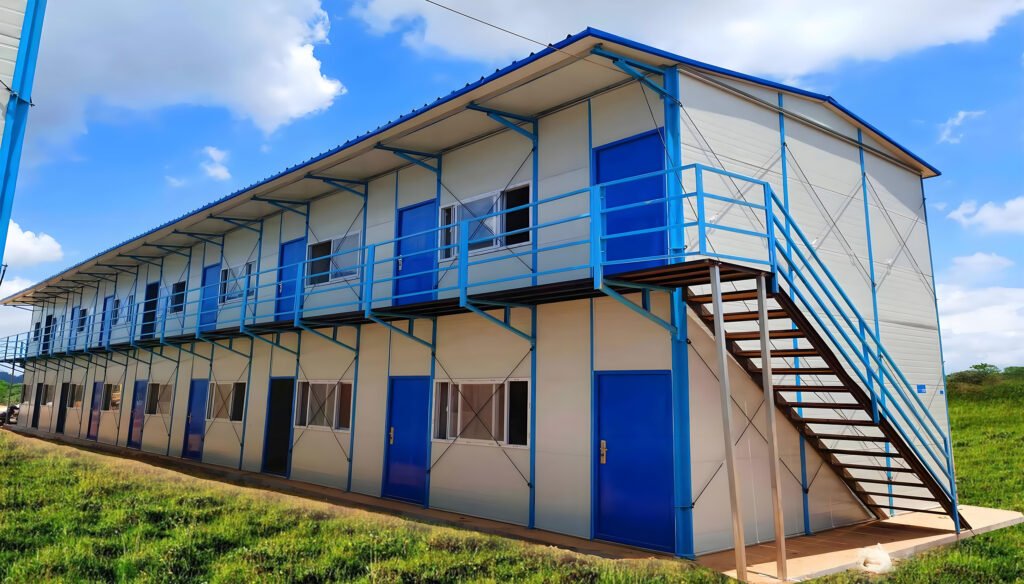
A K house is generally more focused on practical use, multi-functional deployment, and repeated assembly. CGCH describes its K house as a light steel structure with good waterproofing, sound insulation, structural stability, and long service life. It is suitable for accommodation, site offices, and multi-story temporary buildings.
This type of product is especially relevant in large worker camp projects, educational temporary buildings, and utility-based deployments. Buyers who need a durable and functional building rather than a visually dramatic product will often find K houses highly practical.
Bubble House and Star Dome
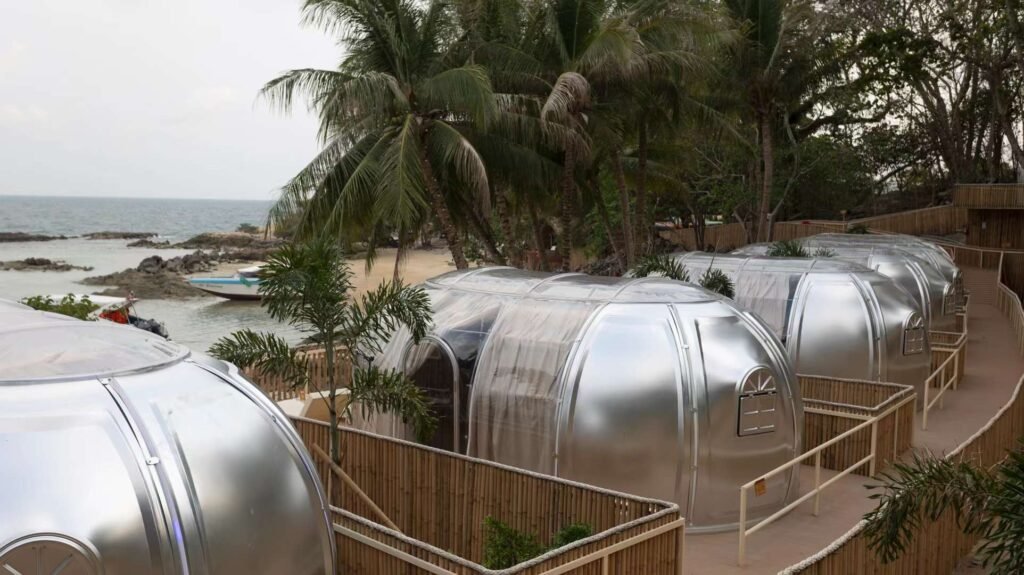
Bubble houses and star domes are designed for tourism, leisure, and experiential commercial use. These products are typically made with transparent or semi-transparent materials and are used in resorts, scenic attractions, event spaces, and glamping operations.
The value of these structures is not only in shelter but also in visual impact. They are highly suitable for buyers who want a unique feature product that photographs well and stands out in a crowded hospitality market. For destination projects, this can be a major competitive advantage.
Portable Toilets
Portable toilets are a critical supporting product in modular housing projects. CGCH offers EPS and HDPE portable toilets that can be used in construction sites, parks, events, beaches, disaster relief operations, and public facilities. Including sanitation solutions in a modular project is important because housing alone is not enough for a fully functional camp or event site.
For buyers planning a complete site solution, portable toilets are an essential part of the procurement package. They improve usability, reduce downtime, and support faster project commissioning.
How to Verify a Reliable Factory
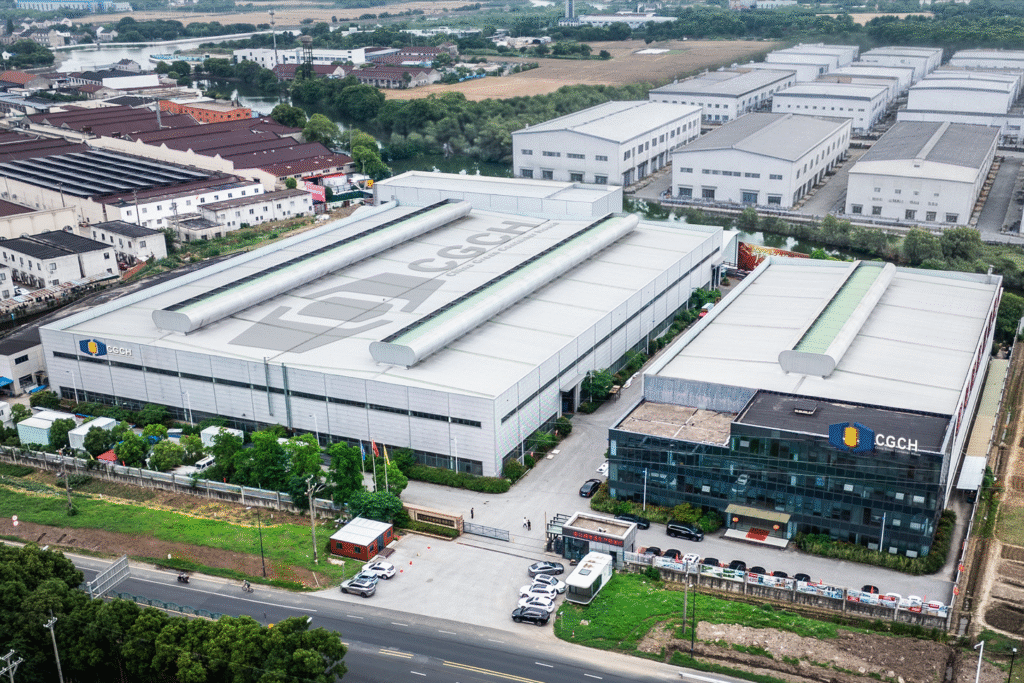
Finding a verified modular house factory in China requires more than reading a brochure. The best approach is to assess a supplier across five key areas: factory authenticity, product capability, project experience, quality control, and logistics readiness.
First, verify whether the supplier has a real factory. A genuine manufacturer should be able to show factory photos, production videos, equipment details, and workshop processes. A real factory can explain how raw materials are processed, how structures are welded, how panels are installed, and how finished units are tested before shipment.
Second, review the product range. A factory that only provides a few pretty images may not have enough depth to handle different project needs. A strong manufacturer should be able to explain product dimensions, materials, insulation options, electrical systems, and installation methods across several product lines.
Third, ask for project references. International project experience is a major indicator of reliability. A factory that has delivered modular housing for worker camps, resorts, offices, schools, emergency shelters, and hospitality projects is likely more capable of handling real-world complexity.
Fourth, check quality control. Modular housing has many technical details that can go wrong if the process is weak. Structural welding, panel fitting, waterproofing, door and window sealing, and corrosion protection all need proper inspection. A factory with a structured quality system is far more likely to deliver consistent results.
Fifth, evaluate communication and logistics support. A good supplier should be able to explain loading options, destination requirements, installation steps, and after-sales support. If a supplier cannot clearly explain how the product will be packed, shipped, and installed, that is a warning sign.
How to Judge Supplier Credibility
A credible modular house supplier should be able to answer practical questions, not just marketing ones. Ask whether they have their own factory or a real manufacturing base. Ask whether they can produce the exact configuration you need. Ask whether they have handled export shipments to your region before. Ask whether they can supply drawings, specifications, and loading plans.
You should also look at pricing transparency. A trustworthy supplier will normally break down the quotation into materials, structure, optional upgrades, packaging, loading, and shipping terms. If the quote is vague or changes significantly after discussion, the supplier may not be as reliable as it first appears.
For larger projects, you should consider third-party inspection or video verification. This is especially important when ordering multiple units or when the project has strict requirements for climate, structure, or timing. In modular procurement, the lowest-risk choice is usually the one with the clearest evidence.
What Determines Pricing
Modular house pricing depends on a combination of structure, materials, size, configuration, insulation, transport method, and destination delivery requirements. A simple unit with basic finishes will cost less than a high-spec model with full interior fit-out, premium insulation, and custom exterior design.
Structure is one of the biggest cost drivers. Heavier steel frames, stronger welding, and corrosion-resistant treatment increase cost but also improve durability. Insulation also matters a great deal. Rock wool, EPS, and PU systems all have different thermal and fire-performance characteristics, and the right choice depends on the local climate and use case.
Interior components also affect pricing. Doors, windows, electrical systems, floors, bathrooms, kitchens, and furniture can significantly change the final budget. Transport and logistics are often underestimated as well. Because modular houses are large and sometimes irregularly shaped, shipping charges, loading requirements, port fees, and inland transport costs can be substantial.
That is why buyers should always ask for total landed cost, not just factory price. A low ex-works quote can become expensive once shipping, unloading, and installation are added. In global procurement, the final delivered cost is what matters.
Matching Product Type to Project Need
The right product depends on how the building will be used. For construction camps, worker dormitories, and temporary offices, flat pack, detachable, folding, or K house formats are usually the best fit. They are practical, efficient, and easy to deploy in volume.
For resorts, glamping projects, and scenic tourism destinations, capsule houses, bubble houses, and star dome units are often more suitable. These products deliver a stronger visual identity and a more memorable guest experience. In hospitality, aesthetics can be as important as functionality.
For private homes, Airbnb rentals, and show homes, expandable container houses are a strong option because they combine modular convenience with a more residential layout. For sanitation and site infrastructure, portable toilets should always be included in the early planning stage.
The key is to choose the product based on site reality, budget, climate, and operating model. A product that looks impressive in a brochure may not be the best fit for the actual project.
Shipping and Installation Considerations
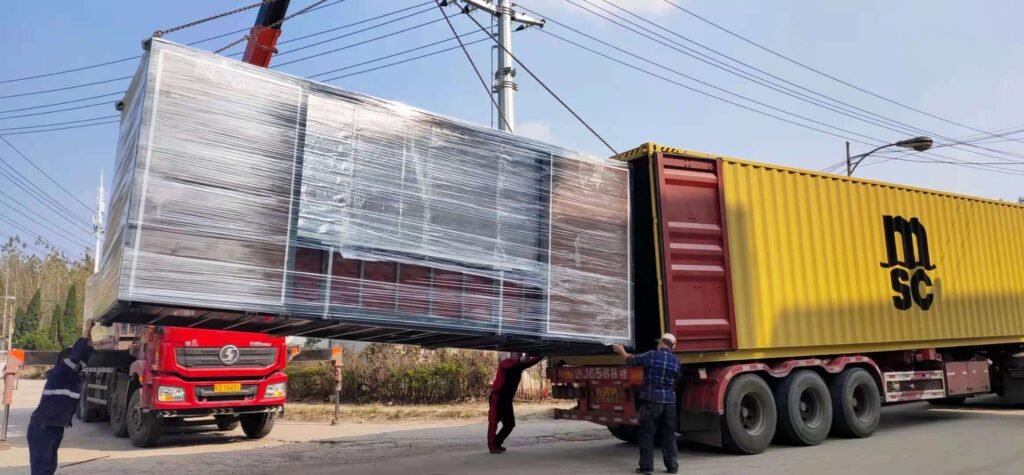
Shipping modular houses is a logistics project in itself. Because the units are large, heavy, and often non-standard in shape, transport must be planned carefully from the beginning. Buyers should confirm whether the product is shipped as a complete unit, a folded unit, or a flat-pack system. They should also confirm the correct container type and loading method before placing the order.
Packaging matters too. Modular houses should be protected against corrosion, moisture, vibration, and damage during transit. Corner reinforcement, fixed supports, waterproof wrapping, and loading diagrams are all important. A professional supplier will usually understand these requirements and include them in the shipping plan.
Installation is another key part of the process. Even fast-assembly units still require site preparation, foundation checking, utility connection, and final testing. A supplier that provides installation guidance or technical support can save significant time and reduce project risk. For overseas buyers, this kind of support is often the difference between a smooth launch and a costly delay.
Climate and Long-Term Use
One of the most important questions buyers ask is whether modular houses are suitable for their local climate. The answer depends on the design. In cold regions, the focus should be on insulation, window sealing, roof protection, and heating compatibility. In hot climates, the focus should be on ventilation, shading, thermal performance, and air-conditioning integration.
For coastal or humid environments, corrosion resistance becomes especially important. For high-wind or earthquake-prone locations, structural stability and tested load performance are critical. A good manufacturer will adjust the design to suit the destination rather than selling the same structure everywhere.
Long-term durability also depends on maintenance. Even well-built modular houses need regular inspection of joints, roof sealing, drainage, doors, windows, and electrical systems. If a buyer plans to use the building for years, it is better to choose a structure designed for durability rather than one focused only on short-term low cost.
Why Direct Factory Purchasing Matters
Buying directly from a Chinese factory has several advantages. It usually provides better pricing, clearer technical communication, stronger customization support, and more direct project coordination. For international buyers, factory-direct sourcing also reduces the chance of misunderstanding caused by multiple intermediaries.
This is especially valuable in modular housing, where the product is closely tied to engineering, logistics, and installation. A direct factory partner can better support the entire workflow, from quotation to shipping to commissioning. That is why many experienced procurement teams prefer to work with manufacturers rather than trading companies.
However, direct purchasing also means the buyer must do more due diligence. You need to understand the supplier’s real capability, not just the sales presentation. If the verification is done properly, factory-direct sourcing can be one of the most effective ways to secure a strong project outcome.
Why CGCH Deserves Attention
CGCH is worth attention because it combines a broad product line with multi-factory capacity, export experience, and one-stop project support. Its catalogue shows a company that is not limited to a single product style. Instead, it offers a full modular building ecosystem that covers accommodation, temporary facilities, hospitality units, sanitation, and specialty structures.
That breadth matters because many projects require more than one building type. A camp may need dormitories, offices, toilets, and dining support. A tourism project may need guest units, reception areas, and scenic features. A supplier that can cover all of these within one system is often more efficient to work with.
CGCH also emphasizes global cases, local installation, flexible payment, and sustainability. Those are important commercial signals because they suggest the company understands the needs of international buyers, not just domestic retail customers. For buyers comparing China prefab house suppliers or verified modular house manufacturers, this is exactly the kind of capability profile that deserves serious review.
Frequently Asked Questions (FAQ)
Before choosing a modular house supplier in China, international buyers usually have several important questions regarding product types, pricing, factory verification, transportation, customization, and after-sales support.
The following FAQ section summarizes the most common questions buyers ask when sourcing modular houses from China.
Q1. What is the difference between a modular house and a container house?
A modular house is a broader concept that refers to buildings manufactured in a factory and assembled on-site using prefabricated modules. A container house is one type of modular building, usually based on a steel container-style structure.
Modular houses can include container houses, capsule houses, expandable houses, folding houses, flat-pack houses, and light steel prefab homes. The best choice depends on the project purpose, budget, transportation method, and expected service life.
Q2. How much does a modular house from China cost?
The price of a modular house from China depends on several factors, including structure type, size, materials, insulation system, interior configuration, quantity, and shipping terms.
As a general reference:
- Knock-down modular houses: around USD 1,100–1,600
- Folding container houses: around USD 1,200–2,000
- Expandable houses: around USD 6,000–20,000
- Capsule houses: around USD 15,000–39,000
The final quotation should always be based on a complete specification sheet, including product configuration and shipping plan.
Q3. How do I verify a modular house factory in China?
Before placing an order, buyers should verify whether the supplier is a real manufacturer rather than only a trading company.
Important verification points include:
- Factory ownership
- Production facilities
- Manufacturing process
- Previous export projects
- Quality control system
- Engineering capability
A reliable modular house manufacturer should be able to provide factory videos, production information, technical specifications, and real project references.
Q4. Are modular houses suitable for long-term residential use?
Yes, modular houses can be used for long-term residential purposes when they are designed with appropriate structural systems, insulation, waterproofing, ventilation, and electrical standards.
The lifespan of a modular house depends on:
- Material quality
- Manufacturing process
- Installation quality
- Local climate conditions
- Maintenance
High-quality modular homes are not simply temporary buildings. Many modern modular houses are designed for residential, hospitality, and commercial applications.
Q5. Can modular houses be customized for different climates?
Yes. Professional modular house manufacturers can customize building systems according to different climate conditions.
For example:
Cold climate areas may require:
- Higher insulation levels
- Double-glazed windows
- Enhanced heating systems
Hot climate areas may require:
- Better thermal insulation
- Ventilation design
- Sun protection systems
Coastal areas may require:
- Anti-corrosion treatment
- Weather-resistant materials
Q6. How are modular houses shipped internationally?
Modular houses from China are usually shipped by sea using different transportation methods depending on product design and size.
Common shipping methods include:
- 20GP container
- 40HQ container
- Flat rack container
- Customized shipping solutions
For international projects, buyers should consider:
- Factory loading plan
- Container capacity
- Port conditions
- Destination unloading requirements
- Local transportation
Experienced manufacturers can help buyers select the most cost-effective shipping method.
Q7. Do Chinese modular house manufacturers provide installation support?
Many Chinese modular house manufacturers provide installation guidance for overseas projects.
Support may include:
- Installation drawings
- Assembly manuals
- Video instructions
- Remote technical support
- On-site engineering assistance for large projects
Before ordering, buyers should confirm whether installation support is included in the quotation.
Q8. Why buy directly from a China modular house manufacturer?
Buying directly from a Chinese modular house manufacturer provides several advantages:
- Factory-direct pricing
- More customization options
- Better communication with engineers
- Faster product development
- Direct quality control
However, buyers should focus on verified manufacturers with real production capability, export experience, and successful projects.
Companies such as CGCH provide factory-direct modular building solutions, including modular houses, container houses, capsule houses, expandable houses, and customized prefab buildings for international customers.
Final Buying Advice
If you are sourcing modular housing from China in 2026, the smartest approach is to start with the project itself. Define the use case first, then choose the product type, then verify the factory, and only then compare pricing. This sequence keeps the focus on what actually matters: suitability, reliability, and deliverability.
A strong China modular house manufacturer should be able to provide real specifications, real production evidence, real logistics support, and real project references. CGCH presents itself as a supplier that aims to do exactly that, with a broad product portfolio and one-stop service model designed for international projects.
In the end, the best supplier is not the one with the loudest marketing. It is the one that can turn a concept into a usable, durable, and well-delivered building. If you choose with that principle in mind, your modular housing project will have a much better chance of success.
Email: info@cgreenshouse.com
Website: www.cgchcapsulehouse.com
Factory Location: Huainan / Suzhou / Foshan
Huainan showroom:
Suzhou showroom:
Foshan showroom:
CGCH — Global One-Stop Modular Camp Delivery Expert